

Melanin-rich skin has its own characteristics, but it doesn’t need a completely separate category of skincare. The basics remain the same: cleanse gently, moisturize, protect your skin from the sun and choose treatments based on your individual concerns.
One issue deserves particular attention: hyperpigmentation. Dark spots can develop after acne, irritation, injuries and other inflammation, and they can sometimes take months to fade.
The original Breonna Queen article covers cleansing, exfoliation, moisturizing, sunscreen, hyperpigmentation and several popular ingredients. A few of its recommendations, however, need updating, particularly around physical scrubs, steaming, “harsh chemicals,” and claims about certain ingredients. Here’s a more practical routine built around current dermatology guidance.
Understanding Melanin-Rich Skin
Melanin gives skin its color and provides some natural protection against ultraviolet radiation, but it doesn’t make darker skin immune to sun damage. People with darker skin tones can still experience photoaging, uneven pigmentation and skin cancer.
One of the most noticeable concerns can be post-inflammatory hyperpigmentation (PIH). When skin becomes inflamed or injured, it can produce extra melanin, leaving a darker mark behind.
Acne, cuts, insect bites, burns and irritating skincare products can all trigger this response.
That means preventing unnecessary irritation is just as important as treating existing discoloration.
The Best Black Skin Care Routine
You don’t need a complicated collection of products. A basic routine can be surprisingly simple.
MUST READ ===> https://adonique.com/wrinkles-fine-lines/
Morning
1. Cleanse
Use a gentle cleanser to remove overnight oil and buildup without leaving your skin tight or uncomfortable.
If your skin is dry or sensitive, you may not need an aggressive cleanser in the morning.
2. Moisturize
Choose a moisturizer that suits your skin type. Ingredients such as ceramides, glycerin and hyaluronic acid can help support hydration.
If you’re prone to clogged pores, look for products labeled non-comedogenic.
3. Apply Sunscreen
Finish with a broad-spectrum sunscreen rated SPF 30 or higher.
Sunscreen is important even for darker skin because melanin doesn’t provide complete protection from UV radiation.
If you are particularly concerned about dark spots or melasma, a tinted sunscreen containing iron oxides can provide additional protection from visible light, which can worsen pigmentation in darker skin tones.
Night
1. Cleanse
Remove sunscreen, makeup and daily buildup with a gentle cleanser.
2. Treat Specific Concerns
This is where you can add a targeted product if you actually need one.
For example:
- Salicylic acid can help with clogged pores and acne.
- Niacinamide can support the skin barrier and may help with uneven pigmentation.
- Certain retinoids can help with acne and photoaging.
- Vitamin C can be used as an antioxidant and for pigmentation concerns.
You don’t need all of them. Starting with one appropriate active ingredient is usually more sensible than combining several.
3. Moisturize
Finish with a moisturizer to support your skin barrier.
How to Deal With Dark Spots
Dark spots deserve a slightly different approach from simply trying to “brighten” your entire complexion.
The first step is identifying what’s causing the pigmentation.
If acne is leaving dark marks, treating the acne can help prevent new spots. If a skincare product is causing irritation, switching to a gentler formula may be more useful than adding another treatment.
Sun protection is also essential. Without it, existing pigmentation can remain noticeable for longer and new discoloration can develop.
The American Academy of Dermatology recommends broad-spectrum SPF 30 or higher, with tinted formulas containing iron oxide being particularly useful for people dealing with hyperpigmentation.
Be Patient With Hyperpigmentation
Dark spots rarely disappear overnight.
The AAD notes that a spot only a few shades darker than your natural skin tone may take 6 to 12 months to fade once the underlying cause has been addressed. Deeper pigmentation can take considerably longer.
That is one reason aggressive DIY treatments can backfire. Irritating your skin may create another round of inflammation and pigmentation.
Should You Exfoliate Dark Skin?
Exfoliation can be useful, but more isn’t necessarily better.
The original article recommends physical exfoliation once a week. A better approach is to choose an exfoliating product based on your skin’s needs and use it conservatively.
For example, salicylic acid may be useful when clogged pores and acne are the main concern. Other exfoliating acids can be appropriate for certain skin types and concerns.
Avoid harsh scrubbing, especially if you already experience acne, sensitivity or dark marks. Irritation can contribute to post-inflammatory hyperpigmentation.
Ingredients Worth Knowing
Niacinamide
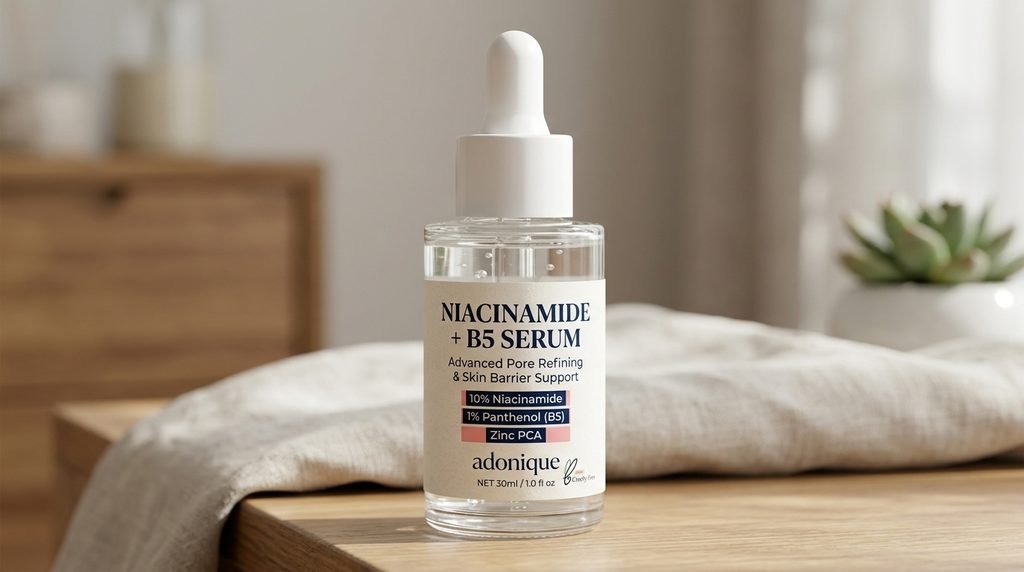
Niacinamide, a form of vitamin B3, is a versatile skincare ingredient that can support the skin barrier and is commonly used in products targeting uneven tone and oiliness.
It can be a reasonable choice when you want a relatively simple active ingredient.
Vitamin C
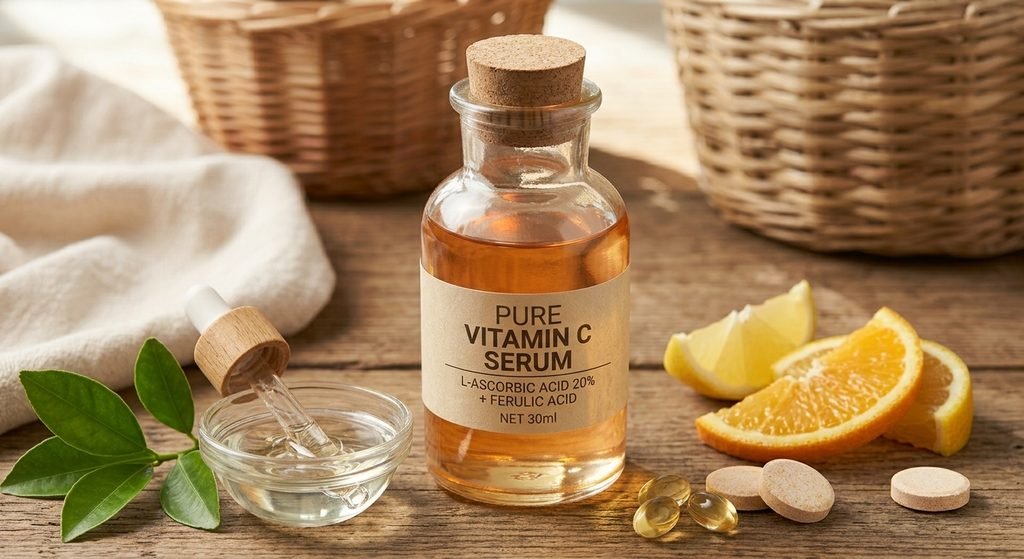
Vitamin C is an antioxidant commonly used in morning skincare. It can help address oxidative stress and uneven pigmentation, although formulations vary considerably in stability and effectiveness.
Use it alongside sunscreen rather than treating it as a replacement for sun protection.
Salicylic Acid
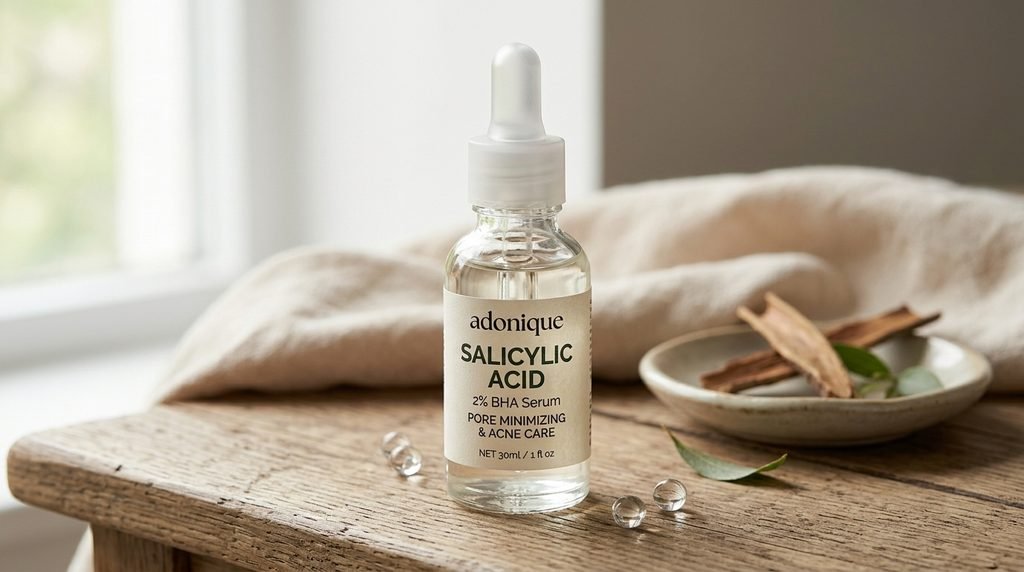
Salicylic acid is particularly useful when acne, blackheads or clogged pores are a concern.
Because it exfoliates within pores, it can be more useful for congestion than a rough facial scrub.
Retinoids
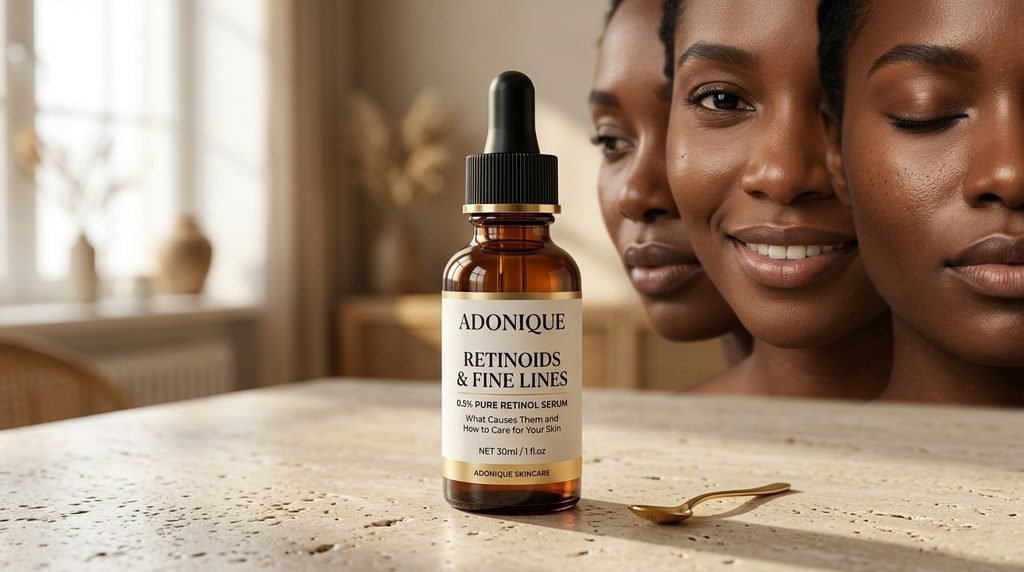
Retinoids are vitamin A derivatives with evidence for treating acne and photoaging. They can also improve skin texture over time.
They can cause irritation, particularly when first introduced, so they should be used carefully and aren’t necessary for everyone.
What About Hydroquinone and Kojic Acid?
The original article lists hydroquinone and kojic acid among ingredients to avoid. That’s too broad.
These ingredients aren’t simply “bad for dark skin.” Certain formulations and concentrations can be used to treat hyperpigmentation, but they need to be used appropriately.
Hydroquinone, in particular, is a recognized treatment for certain pigmentation disorders and may be prescribed by a dermatologist. The AAD includes prescription-strength hydroquinone among treatments dermatologists may use for hyperpigmentation.
The important distinction is between appropriate treatment and unsupervised use of strong skin-lightening products.
Never use bleach on your skin. The AAD specifically warns against using liquid bleach to treat dark spots.
Do You Need Toner?
No.
Toner can be included if you enjoy using one, but it isn’t an essential step in a good skincare routine.
You can have an effective routine with just:
Cleanser → treatment if needed → moisturizer → sunscreen in the morning
Adding more products doesn’t automatically produce better skin.
Do You Need Facial Steam?
Steaming isn’t necessary for a healthy skincare routine.
The original article recommends weekly steaming to “open” pores. But pores don’t function like doors that need to be opened and closed.
If you enjoy the sensation of gentle warmth, that’s a personal preference, but hot steam isn’t required to cleanse your pores or improve your skin.
Body Care for Melanin-Rich Skin
The same principles apply to the rest of your body.
A simple body routine can include:
Cleanse → moisturize → sunscreen on exposed areas
If you experience rough or bumpy skin, an appropriate exfoliating body product may help. If you have persistent discoloration, itching, scaling or another unusual change, it’s better to identify the underlying cause rather than repeatedly exfoliating the area.
Common Mistakes to Avoid
Using Too Many Active Ingredients
Adding vitamin C, retinoids, exfoliating acids and multiple brightening products at once can make irritation more likely.
Introduce products gradually.
Scrubbing Dark Spots
Scrubbing harder doesn’t make pigmentation disappear faster. Irritation can actually contribute to additional darkening.
Skipping Sunscreen
Darker skin contains more melanin, but that doesn’t eliminate the need for sun protection.
Chasing a Lighter Complexion
Healthy skincare should focus on maintaining the skin barrier, managing specific concerns and protecting your natural complexion rather than trying to change your natural skin color.
Using Products That Burn
A product doesn’t need to burn or sting to be effective. If a skincare product causes persistent burning or irritation, stop using it.
The AAD specifically recommends gentle, fragrance-free products when treating pigmentation because irritation can make dark spots worse.
A Simple Weekly Routine
You don’t need a complicated weekly schedule.
Daily:
Cleanse → moisturize → sunscreen
As needed:
Add one targeted treatment for acne, clogged pores or pigmentation.
Occasionally:
Exfoliate if your skin tolerates it and your routine actually benefits from it.
The goal is consistency, not constantly doing something new to your skin.
Frequently Asked Questions
Does Black skin need different skincare?
The fundamentals are the same, but certain concerns can be particularly important in darker skin tones, especially post-inflammatory hyperpigmentation. Skincare should be selected according to your individual skin type and concerns rather than skin color alone.
Does Black skin need sunscreen?
Yes. Melanin provides some natural protection but does not eliminate UV damage. Broad-spectrum SPF 30 or higher is recommended when you’re exposed to the sun.
What sunscreen is best for dark skin?
A sunscreen that provides broad-spectrum SPF 30 or higher and works comfortably with your skin is a good starting point. Tinted sunscreens containing iron oxides can be particularly useful when hyperpigmentation or melasma is a concern.
How can I prevent dark marks after acne?
Treat acne early, avoid picking at breakouts, use gentle skincare and protect your skin from the sun. Since irritation can contribute to hyperpigmentation, avoid aggressive products that repeatedly inflame your skin.
Is natural skincare better for dark skin?
Not necessarily. “Natural” describes an ingredient’s origin, not whether it is safe or effective. A well-formulated product can be preferable to a homemade treatment, particularly when dealing with pigmentation or acne.
How long does it take to improve uneven skin tone?
It varies considerably. Some changes may become noticeable sooner, while established hyperpigmentation can take months to fade. The cause of the pigmentation needs to be addressed first.
The Bottom Line
A good skincare routine for Black skin doesn’t need to be complicated.
Focus on gentle cleansing, adequate moisture, appropriate treatments and consistent sun protection. Pay particular attention to preventing irritation because inflammation can leave behind persistent dark marks in melanin-rich skin.
Most importantly, don’t feel pressured to constantly add products or change your natural complexion. Healthy skin can have pores, texture, pigmentation and other normal variations.
The best routine is one that suits your skin, fits your daily life and is gentle enough to maintain consistently.