
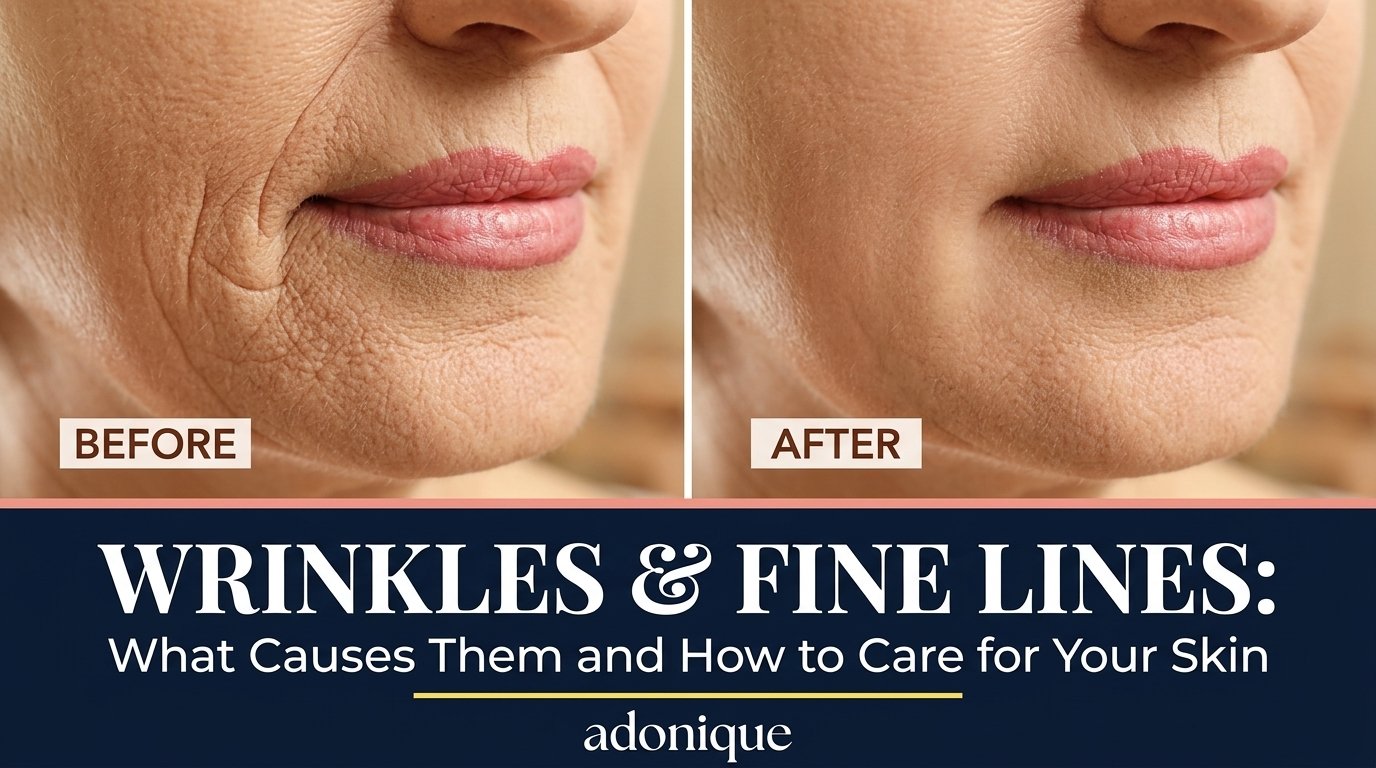
Wrinkles and fine lines are visible creases, folds or ridges that develop as skin changes over time. They’re a normal part of aging rather than a skin problem that needs to be “fixed.” Genetics, repeated facial movements, sun exposure and lifestyle factors can all influence how early or prominently they appear.
While you can’t stop skin from changing with age, good everyday skincare and sun protection can help reduce premature photoaging and keep your skin comfortable and healthy.
What Are Fine Lines and Wrinkles?
Fine lines are shallow creases that tend to appear first, while wrinkles are generally deeper folds or creases. They’re especially common around areas that move frequently, including the forehead, around the eyes and around the mouth.
Wrinkles can develop anywhere on the body, although the face, neck, hands and arms are among the areas where they’re most noticeable.
Some lines are visible mainly when you make an expression, while others eventually remain noticeable when your face is relaxed.
What Causes Wrinkles?
Wrinkles develop through a combination of natural aging and external factors.
Natural Aging
As skin ages, cell turnover slows and the dermis, the deeper layer of skin, gradually changes. Collagen and elastin provide much of the skin’s structure, firmness and elasticity, and changes to these proteins contribute to the formation of lines and wrinkles. Older skin also tends to retain moisture less effectively.
This process is normal. Having wrinkles doesn’t mean your skin is unhealthy.
Sun Exposure
Ultraviolet radiation is one of the most important environmental contributors to premature skin aging. Repeated UV exposure damages collagen and alters elastin, contributing to wrinkles, uneven pigmentation and other signs of photoaging.
That makes daily sun protection one of the most useful parts of a long-term skincare routine.
Facial Expressions
Smiling, squinting, frowning and other repeated facial movements temporarily create creases in the skin. Over many years, some of these expression lines can become more persistent.
You don’t need to avoid normal facial expressions. They’re simply one part of how facial lines develop.
Smoking
Smoking can interfere with collagen production and is associated with premature skin aging and wrinkle formation.
Environmental Exposure
Air pollution and other environmental factors may also contribute to oxidative stress and changes associated with skin aging. Their effects are generally less straightforward than the established effects of chronic UV exposure.
Can You Prevent Wrinkles?
You can’t completely prevent wrinkles because aging naturally changes the skin. However, you can reduce some avoidable contributors to premature skin aging.
The most useful habits include:
- Wear broad-spectrum sunscreen regularly when your skin is exposed to the sun.
- Seek shade and use protective clothing when spending extended periods outdoors.
- Avoid tanning beds.
- Keep your skin moisturized.
- Cleanse gently rather than repeatedly stripping your skin.
- Avoid smoking.
- Maintain a balanced diet and adequate hydration.
Sun protection deserves particular attention. Research consistently connects chronic UV exposure with photoaging, including wrinkles and changes in skin elasticity.
What Skincare Ingredients Can Help With Fine Lines?
No skincare ingredient can stop the natural aging process, and results vary considerably between products and people. Some ingredients, however, have evidence for improving the appearance or texture of photoaged skin.
Retinoids
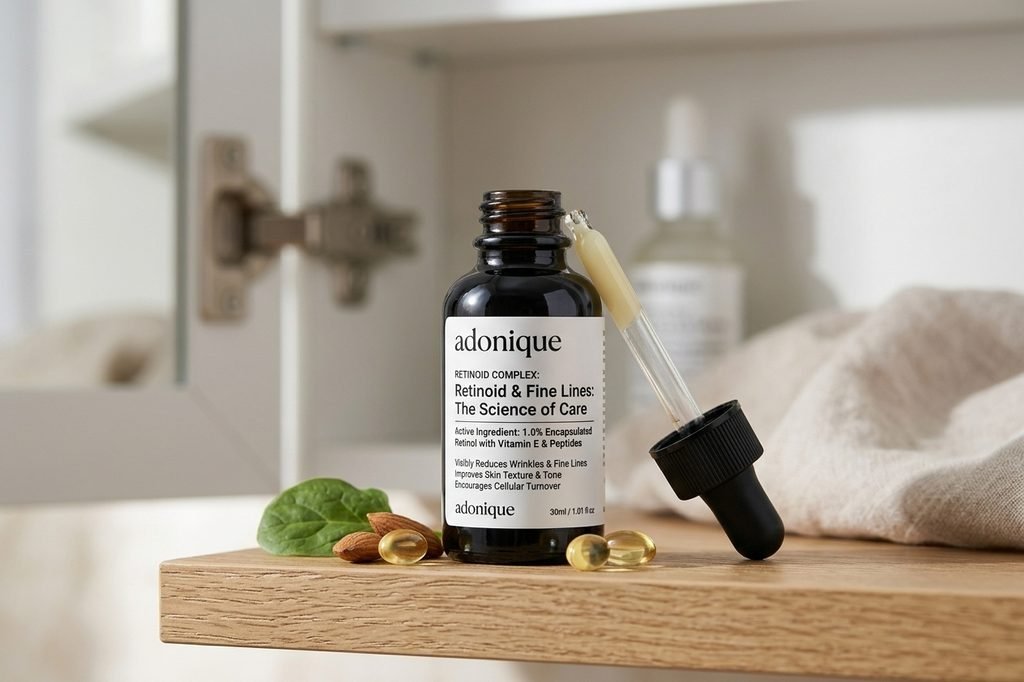
Retinoids are vitamin A derivatives and are among the best-studied topical treatments for photoaging.
Prescription tretinoin has substantial clinical evidence behind it. A systematic review of randomized controlled trials found improvements in several signs of photoaging, including wrinkling, pigmentation and overall skin appearance.
Retinoids can also cause dryness, peeling, redness or irritation, so they aren’t automatically appropriate for everyone. Prescription products should be used under appropriate medical guidance.
Over-the-counter retinol is different from prescription tretinoin, and evidence for cosmetic retinol products varies depending on the formulation and study quality.
Moisturizers
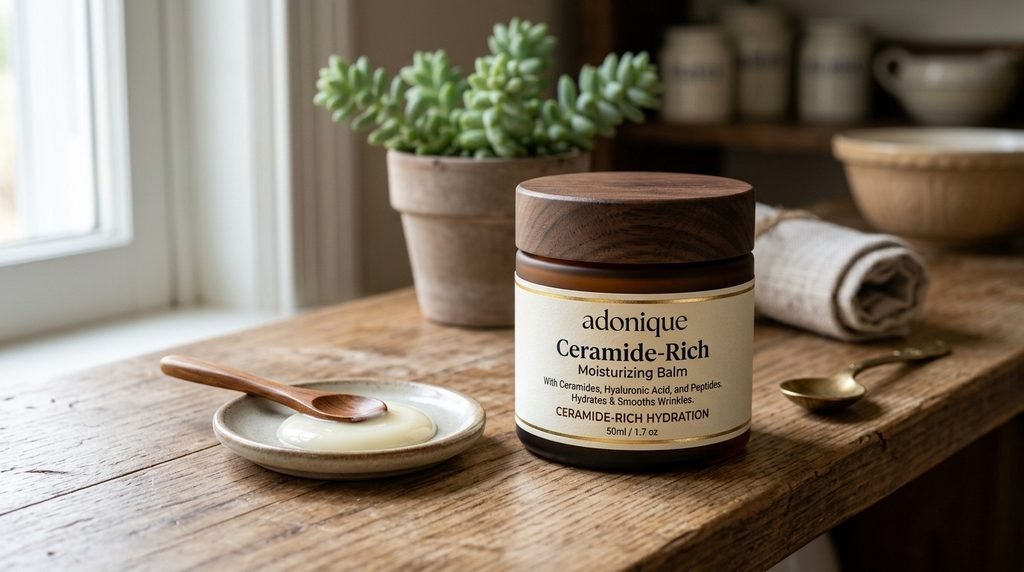
Moisturizers don’t rebuild lost collagen, but they can improve hydration and temporarily make fine lines look less noticeable by increasing the skin’s water content.
For many people, a simple moisturizer is a more useful everyday choice than adding several aggressive anti-aging products at once.
Sunscreen

Sunscreen isn’t a wrinkle eraser, but preventing repeated UV damage is an important part of protecting skin from premature photoaging. A broad-spectrum SPF 30 or higher is commonly recommended for daily protection, alongside shade and protective clothing when appropriate.
What About Wrinkle Treatments?
People who want to reduce the appearance of established wrinkles have several professional options. Depending on the type and depth of the wrinkles, dermatologists may consider treatments such as prescription retinoids, chemical peels, laser resurfacing, microneedling, botulinum toxin or injectable fillers.
These treatments aren’t interchangeable. They work in different ways and have different risks, costs and recovery periods. Cleveland Clinic notes that possible complications can include irritation, swelling, bruising, pain, allergic reactions and scarring depending on the treatment. (
A dermatologist can determine whether a procedure is appropriate for a particular skin concern rather than relying on an internet trend or a DIY treatment.
Can Diet Get Rid of Wrinkles?
There isn’t a particular food that can erase wrinkles.
A balanced diet provides nutrients your body needs for normal skin function, but it’s better to think about nutrition as part of overall health rather than as an anti-wrinkle treatment. Cleveland Clinic recommends a balanced diet containing adequate nutrients such as vitamins and protein as part of maintaining healthy skin.
Be cautious of supplements, drinks or “beauty foods” marketed as guaranteed wrinkle solutions. A healthy diet can’t stop normal aging, but it can support your overall wellbeing.
When Should You See a Dermatologist?
Wrinkles themselves usually don’t require medical attention. You may want professional advice if you’re considering a treatment or if you have another skin concern that you aren’t sure is simply a wrinkle.
A dermatologist can help distinguish ordinary skin aging from conditions that may look similar and can recommend treatments based on your skin type, concerns and medical history.
If you undergo a cosmetic procedure and develop severe pain, significant swelling, unusual bruising, infection or problems with healing, contact your healthcare provider.
A Simple Approach to Caring for Aging Skin
You don’t need a complicated routine to support healthy skin as it changes.
Morning:
Gentle cleanser → moisturizer → broad-spectrum sunscreen
Evening:
Gentle cleanser → moisturizer
If you’re considering an active ingredient such as a retinoid, introduce it only when appropriate for you and follow professional or product guidance rather than combining several potentially irritating products at once.
Consistency matters more than having a shelf full of products.
Frequently Asked Questions
At what age do wrinkles start?
There’s no universal age. Fine lines can become more noticeable as people get older, but the timing varies according to genetics, sun exposure, skin characteristics and other factors. Cleveland Clinic notes that some people begin noticing fine lines after age 25, although this shouldn’t be treated as a fixed age when wrinkles are “supposed” to appear.
Can sunscreen prevent wrinkles completely?
No. Sunscreen can reduce UV-related skin damage and help lower the risk of premature photoaging, but it cannot stop the natural aging process.
Does moisturizing remove wrinkles?
Moisturizing doesn’t remove established wrinkles, but better hydration can temporarily make fine lines appear softer or less noticeable.
Is retinol the same as tretinoin?
No. Retinol and tretinoin are both retinoids, but they aren’t the same ingredient. Tretinoin is a prescription retinoid with considerably more clinical evidence for treating photoaging, while retinol is commonly found in cosmetic products.
Can facial exercises get rid of wrinkles?
There isn’t strong evidence that facial exercises can eliminate established wrinkles. Normal facial movement itself is one of the factors involved in expression lines, so claims that exercises can permanently erase wrinkles should be treated cautiously.
Are wrinkles a sign of unhealthy skin?
Not necessarily. Wrinkles are a normal consequence of aging. Healthy skin can have fine lines, wrinkles, pigmentation and other visible changes.
The Bottom Line
Wrinkles are a normal part of getting older, not something your skin has failed at. Aging, genetics, facial movement and environmental exposure all influence how they develop, while UV exposure and smoking can accelerate some aspects of skin aging.
The most practical approach is to protect your skin from excessive sun exposure, moisturize regularly, avoid smoking and keep your routine simple and consistent. If you want to address established wrinkles, evidence-based topical treatments and professional procedures are available, but they should be chosen according to your individual skin and circumstances rather than promises of completely stopping or reversing aging.



Pingback: Black Skin Care Routine: A Simple Guide to Healthy, Even-Looking Skin – adonique.com
Pingback: 18 Healthy 20-Minute Dinners for Busy Weeknights – adonique.com