

Darker skin tones contain more melanin, which offers some natural protection from ultraviolet radiation but does not make skin immune to sun damage. People with richly pigmented skin can also be particularly prone to post-inflammatory hyperpigmentation, meaning a pimple, irritation, cut, or other inflammation may leave a darker mark behind.
That makes a good skincare routine less about trying to change your natural complexion and more about protecting the skin barrier, preventing unnecessary inflammation, managing pigmentation, and keeping the skin comfortable and hydrated.
Here are the habits worth prioritizing.
Skin Care Tips For Women With Darker Skin Tones
1. Cleanse Gently
Cleansing removes sunscreen, makeup, excess oil, sweat, and other buildup from the skin. But a cleanser does not need to leave your face feeling tight or squeaky-clean to be effective.
Choose a gentle cleanser suited to your skin type and use lukewarm rather than very hot water. If your skin feels tight or uncomfortable after washing, the cleanser may be too drying.
If you wear makeup or water-resistant sunscreen, you may find it helpful to use a first cleansing step to remove those products before washing with your regular facial cleanser.
Most importantly, don’t scrub aggressively. Mechanical irritation can trigger inflammation, and inflammation can leave more noticeable pigmentation in darker skin. Dermatologists recommend gentle skincare when managing hyperpigmentation.
2. Exfoliate With Caution
Exfoliation can help improve rough texture and remove excess dead skin cells, but more is not better.
Physical scrubs can cause unnecessary friction when rubbed too hard. Chemical exfoliants such as salicylic acid, lactic acid, or glycolic acid can also irritate the skin if they are too strong or used too frequently.
This matters for darker skin because inflammation can be followed by post-inflammatory hyperpigmentation. A 2025 systematic review found that darker skin types are particularly susceptible to persistent PIH after inflammatory or traumatic skin events.
If you’re introducing an exfoliating product, start conservatively and give your skin time to adjust. Stop if you experience persistent burning, redness, or irritation.
Must read==> https://adonique.com/baking-soda-for-skin-what-it-can-really-do-plus-the-risks-you-should-know/
3. Keep Your Skin Moisturized
Moisturizer isn’t something you need only when your skin feels dry. Maintaining the skin barrier can help reduce dryness and irritation, which is especially useful if you’re also using acne treatments or exfoliating ingredients.
Look for ingredients such as:
- Ceramides
- Glycerin
- Hyaluronic acid
- Squalane
- Petrolatum
The best moisturizer depends on your skin type. A lightweight lotion or gel may suit oily skin, while a richer cream can be useful for very dry skin.
Apply moisturizer after cleansing while the skin is still slightly damp to help reduce water loss.
4. Use Sunscreen Every Day
One of the biggest skincare misconceptions is that dark skin doesn’t need sunscreen.
Melanin provides some natural protection, but it does not eliminate the effects of UV exposure. Sunlight can contribute to premature skin aging, hyperpigmentation, and skin cancer in people with darker skin tones.
For everyday protection, choose a broad-spectrum sunscreen with SPF 30 or higher. If pigmentation or melasma is a particular concern, a tinted sunscreen containing iron oxides may be especially useful because iron oxides can provide protection against visible light, which can worsen hyperpigmentation in darker skin.
Reapply as directed, particularly after swimming, sweating, or prolonged outdoor exposure.
5. Address Acne Early
Acne deserves attention beyond the pimple itself.
Inflammation from acne can trigger post-inflammatory hyperpigmentation, leaving a dark mark behind after the original blemish has disappeared. These marks can take considerably longer to fade than the acne that caused them.
Ingredients commonly used for acne include salicylic acid and topical retinoids such as adapalene. The right option depends on your skin and the type and severity of your acne.
Don’t introduce several strong acne products at once. Irritation can make pigmentation concerns harder to manage.
If your acne is painful, persistent, widespread, or leaving scars, professional treatment is worth considering.
6. Avoid Picking Or Squeezing Your Skin
That tempting pimple is usually better left alone.
Picking, squeezing, or repeatedly touching acne can increase inflammation and cause additional skin injury. For darker skin, that inflammation may be followed by a more noticeable dark mark.
Instead, use an appropriate acne treatment and give the blemish time to heal. If you need physical extraction, professional extraction is safer than repeatedly digging at the skin yourself.
Key Takeaways
- Darker skin still needs daily sun protection.
- Gentle cleansing is preferable to aggressive scrubbing.
- Over-exfoliation can cause irritation and contribute to pigmentation.
- Moisturizers help support the skin barrier and reduce dryness.
- Acne should be managed early because inflammation can leave dark marks.
- Picking or squeezing blemishes can increase the risk of post-inflammatory pigmentation.
- Tinted sunscreen containing iron oxides can be particularly helpful when hyperpigmentation is a concern.
Simple Skin Care Tips For Dark Skin Tones
A good routine doesn’t need to contain a long list of products.
A simple morning routine can look like:
Cleanser → moisturizer → broad-spectrum SPF 30+ sunscreen
At night:
Cleanser → treatment product if needed → moisturizer
If you’re dealing with a specific concern such as acne, melasma, or persistent dark spots, your treatment step can be adjusted accordingly.
The important part is consistency and avoiding products that repeatedly irritate your skin.
Frequently Asked Questions
Is vitamin C serum good for dark skin?
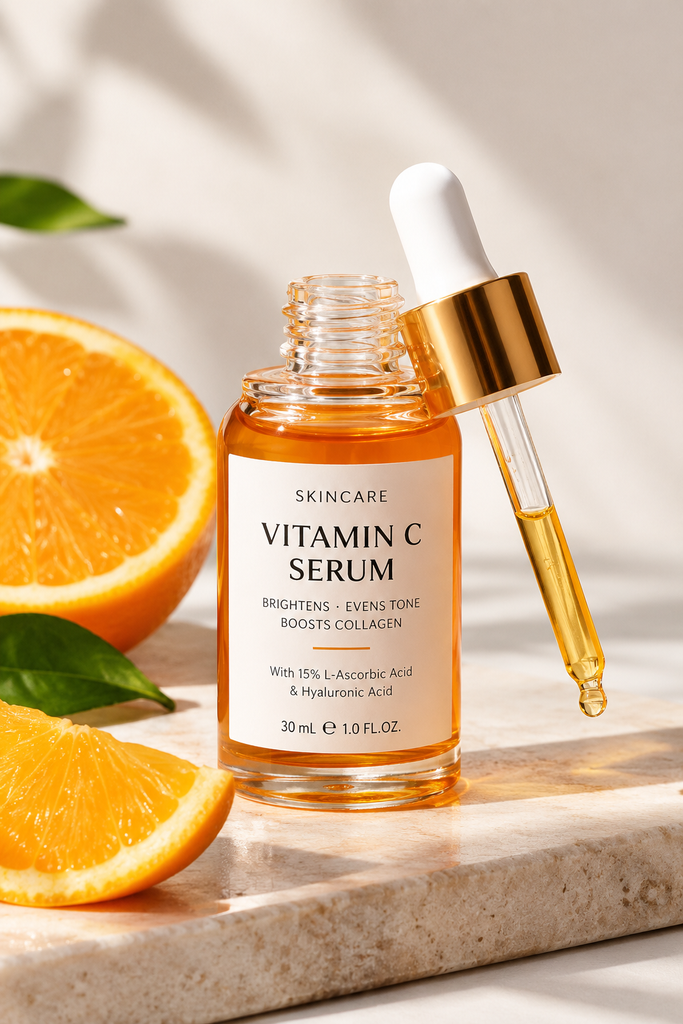
Yes. Vitamin C can be used on darker skin and is commonly included in skincare routines aimed at addressing uneven pigmentation. However, formulations differ, and a product that causes significant irritation is not a good choice for your skin.
If you’re using vitamin C for dark spots, remember that sun protection remains an important part of pigmentation care.
Does coconut oil lighten dark skin?
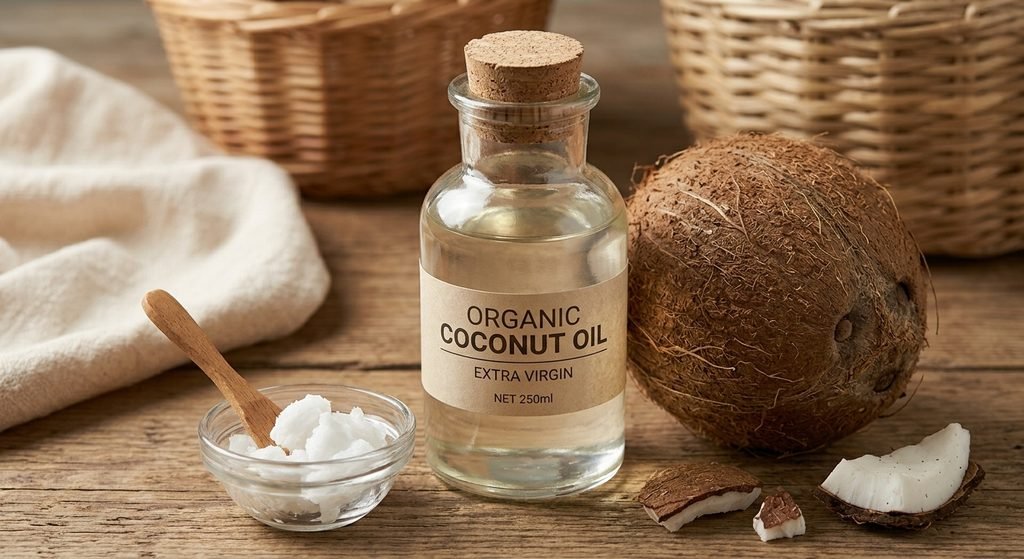
There is no good evidence that coconut oil safely lightens your natural skin tone. It can act as an emollient and may help reduce dryness, but whether it suits your face depends on your skin type and tendency toward clogged pores.
Use it for moisturization if your skin tolerates it rather than as a skin-lightening treatment.
Does vitamin E darken the skin?

There is no established evidence that topical vitamin E inherently darkens the skin. Vitamin E is used in many cosmetic formulations as a skin-conditioning ingredient.
However, any product that causes irritation should be discontinued, particularly if you are prone to post-inflammatory pigmentation.
Does shea butter darken skin?
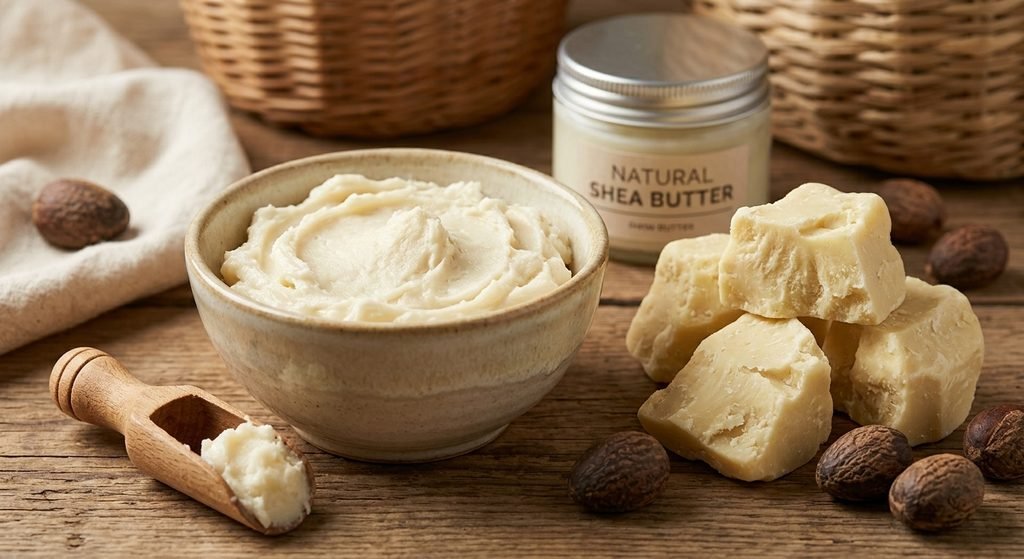
Shea butter does not have a known skin-darkening effect. It is primarily used as an emollient to soften and moisturize the skin.
Whether you prefer it will depend on your skin type and the rest of the formulation. A shea-butter product can be useful for dry areas, but it isn’t a treatment for hyperpigmentation.


Pingback: How To Get Glowing Skin This Christmas: A Simple Routine That Actually Makes Sense – adonique.com